
Engineers Who Scale With Your Team, Not Around It
Hire Golang engineers in India through continuity-backed Engineering Pods built for long-term delivery. From backend platforms and microservices to cloud-native systems, your engineers work within your architecture, workflows, and engineering standards from day one.
Avoid the delivery risk that comes with traditional Golang staff augmentation. Every engagement is supported by Zenithive's Pod model, combining dedicated engineers, Pod leadership, and built-in continuity to keep delivery moving as teams grow and priorities shift.
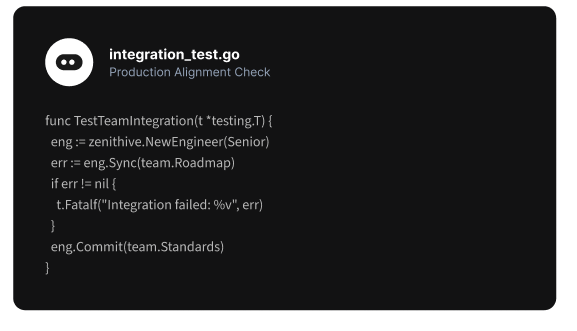
Why Teams Hire Golang Engineers
When delivery demand outpaces available capacity, adding experienced Golang engineers can help teams move faster without disrupting established workflows, architecture, or ownership.
Teams engage us when they need:
Additional backend capacity without lengthy hiring cycles
Predictable collaboration across time zones
Golang expertise for microservices and distributed systems
Long-term ownership of critical backend services
Engineers who integrate into existing teams quickly
Continuity-backed delivery beyond individual contributors
Our Commitment
Our Golang engineers work within structured Engineering Pods, supported by Pod Leads, shared standards, and defined escalation paths.
"Every engineer is backed by systems designed to protect delivery continuity and maintain engineering quality."
Backend Engineering Capabilities Our Golang Teams Bring
When you hire Golang engineers through Zenithive, you gain access to backend specialists who have worked across high-growth products, cloud-native platforms, and enterprise-scale systems. Teams can engage individual engineers, dedicated Golang development teams, or continuity-backed Engineering Pods based on delivery needs.
Backend APIs & Services
REST, gRPC, and event-driven services built for performance, reliability, and scale.
Microservices Architecture
Service decomposition, inter-service communication, and resilient distributed systems.
Concurrency & Throughput
Goroutines, channels, and concurrent processing patterns for high-volume workloads.
Cloud-Native Platforms
Containerised services, Kubernetes deployments, and modern cloud infrastructure.
Developer Platforms & Tooling
Internal APIs, automation tooling, and backend systems that improve engineering velocity.
Observability & Performance
Monitoring, tracing, profiling, and optimisation across production environments.
Start With Engineers. Scale Into Pods.
Hire Golang engineers as your immediate delivery need. As ownership expands, grow into a Pod model with built-in continuity, leadership, and specialist support.
HOW THE TRANSITION WORKS
Embed dedicated Golang engineers into your team.
Add Pod leadership and continuity coverage.
Scale into a full Engineering Pod.
Choose Your Engagement Model
From individual engineers to fully managed Engineering Pods.
Dedicated Golang Engineers
Expand your existing team with experienced Golang engineers who work within your processes and reporting structure.
WHEN TO CHOOSE
You have engineering leadership in place and need additional backend capacity.
WHAT WE OWN
Talent sourcing, retention, and engineer continuity.
Engineering Team
Extension
Dedicated Golang engineers supported by Zenithive's Pod framework, delivery oversight, and continuity systems.
WHEN TO CHOOSE
You need additional capacity while maintaining engineering quality across critical workstreams.
WHAT WE OWN
Engineer continuity, Pod support, and delivery governance.
Dedicated Golang Engineers
A structured delivery unit with Pod leadership, specialist support, and shared
accountability.
WHEN TO CHOOSE
You need long-term ownership, platform evolution, or offshore delivery capability.
WHAT WE OWN
Delivery governance, team continuity, and accountable execution.
Built For Every Stage Of Growth
STARTUPS
- Launch backend platforms without slowing product delivery
- Build scalable foundations from the first release
- Extend engineering capacity without permanent hiring
SMES
- Expand backend teams as products and workloads grow
- Modernise services without disrupting active roadmaps
- Add specialist Golang expertise where needed
ENTERPRISES
- Support large-scale platforms with dedicated engineering capacity
- Accelerate modernisation and platform transformation programmes
- Operate within structured governance and continuity frameworks
Golang Technology Stack
Production-ready tooling across backend, platform, and cloud engineering.
FRAMEWORKS
GoRevel
Gin
Martini
web.go
Beego
Kit
Echo
gRPC
Chi
CLOUD & DEPLOYMENT
AWS EC2
AWS Lambda
Google Cloud
Microsoft Azure
Netlify
DATABASES
MySQL
PostgreSQL
MongoDB
MariaDB
GraphQL
Redis
NoSQL
TOOLING & VERSIONING
Go Build
Go Test
Go Fmt
GORM
Git
SVN
Mercurial
IDES
GoLand
Visual Studio Code
LiteIDE
Wide
GO VERSIONS
Go 1.11 → Go 1.25
Migration Support
Engineering Standards Built In
Code reviews, testing practices, observability standards, and delivery governance embedded across every Engineering Pod.
Pod-Backed Engineers
Every engineer is supported by Pod Leads, shared standards, and continuity systems. Delivery does not depend on a single individual.
Built-In Continuity
Knowledge is documented, shared, and transferred throughout the engagement. Team changes do not force projects to restart.
Clear Ownership
Engineers integrate into your workflows while operating within defined accountability and escalation structures.
Designed To Scale
Start with dedicated Golang engineers and expand into Team Extension or Engineering Pods as delivery scope grows.
Products We’ve Accelerated.
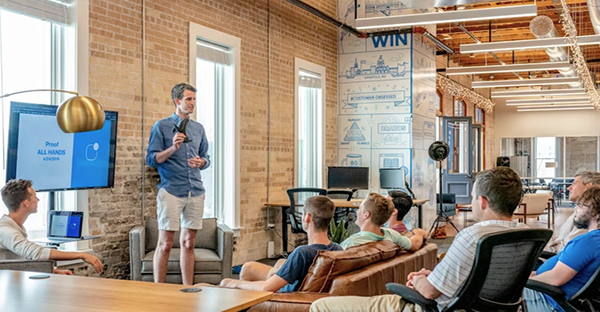



Delivery Governance Built In
Engineers integrate into your team. Governance, continuity, and delivery discipline come with them.
Working-hour overlap aligned to your operating region
Pod Lead escalation path for delivery continuity
Shared documentation across code, architecture, and decisions
Secure access aligned with your internal controls
Regular engineering reviews and knowledge transfer
Security & Compliance
SOC 2 Type II and ISO 27001 delivery practices supporting secure engineering engagements.
Pod Governance
Pod Leads, backup engineers, and review processes designed to reduce delivery risk and knowledge silos.
Discuss Your Engineering Needs
Share your team structure, delivery goals, or capacity gaps. We'll discuss the right engineer, team extension, or Pod model for your roadmap.
Frequently Asked Questions
Can your Golang engineers work within our existing engineering processes?
Yes. Our engineers integrate into your repositories, sprint ceremonies, communication channels, and delivery workflows. The goal is to extend your team, not introduce a parallel delivery structure.
How is Zenithive different from traditional Golang staff augmentation?
Traditional staff augmentation focuses on individual contributors. Zenithive engineers are supported by Pod Leads, backup engineers, delivery governance, and continuity systems designed to reduce key-person risk. Dedicated team models increasingly prioritise continuity and retained knowledge over individual staffing alone.
Can we start with one Golang engineer and scale later?
Yes. Many engagements begin with a single engineer or a small team extension. As ownership grows, the same team can evolve into a dedicated Engineering Pod without restarting onboarding or losing context.
What happens if a Golang engineer becomes unavailable?
Every engagement is designed around continuity. Documentation, shared ownership, Pod support, and backup engineering coverage help maintain delivery momentum when team structures change.
How do you maintain engineering quality across distributed teams?
Quality is supported through engineering reviews, shared standards, delivery governance, documentation practices, and Pod-level oversight. Effective dedicated team models rely on structured processes rather than individual contributors alone.
What if our roadmap grows beyond team extension?
You can expand into a larger Engineering Team Extension model or transition into a dedicated Engineering Pod with broader ownership, governance, and delivery accountability. Many organisations move from capacity-focused engagements to longer-term delivery structures as products mature.